Medical Graphics for Clean Content
First Impressions of Medical Infographic
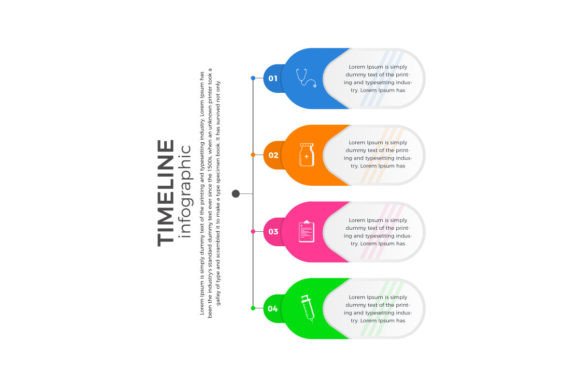
The Medical Infographic makes a strong visual statement right from the start. Its clean lines and modern layout immediately convey professionalism and clarity, which are essential in editorial and digital publishing. The design feels balanced, with a focus on readability and visual hierarchy that supports content that needs to be both informative and engaging.
Editorial Mood and Reader Perception
This graphic design asset is ideal for content that requires a blend of education and aesthetics. It naturally supports niches like health education, wellness blogging, and medical journalism. The tone is professional yet approachable, making it suitable for both lifestyle-focused and more serious content. Its modern style ensures it fits well with contemporary web design trends, while its clear structure enhances reader trust and comprehension.
Real Publishing Use Cases
The Medical Infographic is versatile and can be used in multiple ways across different platforms. For bloggers, it's perfect as a blog graphic or featured image, helping to draw attention to key posts. On Pinterest, it works well as a pin, offering a visually appealing way to share health-related content. In digital guides and lead magnets, it adds a polished look that encourages downloads. It also serves as an excellent website header, especially for health-focused websites or online courses.
For newsletter creators, this design asset can be used as a header or as an accent graphic within the email body. It supports brand identity by maintaining a consistent visual language across all content types. As a downloadable resource, it offers a high-quality printable design that aligns with the expectations of creative marketplaces and small business branding efforts.
Supporting Content Performance
Using the Medical Infographic can significantly enhance content performance. Its strong first impression helps capture user attention, while the clear visual hierarchy guides readers through information effectively. This is particularly important in content marketing and affiliate marketing, where first impressions often determine click-through rates.
The design also contributes to better brand identity by ensuring consistency across all published materials. Whether it's used in a digital guide or a social media preview, the Medical Infographic maintains a cohesive look that reinforces trust and professionalism. Its ability to support stronger visual identity means that even small businesses can create content that looks polished and credible.
Where It Works Best
The Medical Infographic excels in areas where visual clarity and professionalism are key. It works best as a hero image, article thumbnail, or as part of a digital guide. Its use in Pinterest pins and social media graphics ensures that content remains engaging and shareable. It also performs well in editorial layouts and content upgrades, adding value to both the design and the message.
As a Canva template, it allows users to customize the design further without losing the core aesthetic. This flexibility makes it an excellent choice for those looking to create branded content assets quickly and efficiently. Its adaptability ensures that it can be integrated into various workflows, from blog graphics to downloadable printables.
Where to Use Carefully
While the Medical Infographic is highly versatile, there are situations where it may not be the best fit. It should be used carefully in small mobile thumbnails, where its details might not be visible. It also isn't ideal for text-heavy blog images, as it could compete with the content rather than complement it.
On low-contrast backgrounds or in busy layouts, the design may lose its impact. Additionally, it's not the best choice for serious professional niches or corporate content that requires a very minimal visual system. In such cases, a simpler design might be more appropriate to maintain a focused and impactful presentation.
Publisher Notes for Optimal Use
To ensure the Medical Infographic performs well in real-world scenarios, consider testing it on both desktop and mobile screens. Check how it looks as a thumbnail, as this is often the first point of contact for users. Preview it inside a real blog layout to see how it integrates with existing content.
Test it with different headline texts to ensure it remains readable and visually appealing. Check contrast and readability, especially when using it in black and white. Try placing it beside various font styles—serif, sans serif, script, and display—to see how it interacts with different typographic choices.
Review file size for web performance and compress images properly to maintain quality without sacrificing speed. Confirm commercial licensing before using it on monetized websites, affiliate pages, or paid content products. This ensures compliance with legal requirements and protects your brand's integrity.
Conclusion
The Medical Infographic is a valuable graphic design asset for anyone involved in content creation and digital publishing. Its clean design, professional look, and versatility make it an excellent choice for a wide range of applications, from blog graphics to digital guides. By understanding its strengths and limitations, publishers can make informed decisions about where to use it most effectively, ultimately enhancing their content's visual appeal and overall performance.